
Frequently Asked Questions
The Ramadan Fasting Method
Understanding Ramadan Fasting
Fasting during Ramadan is an obligation for all adult Muslims. It is a time for spiritual reflection, self-discipline, and increased worship. Fasting helps strengthen faith, control desires, and draw closer to Allah.
Who Must Fast and Who is Exempt
Adults who are healthy are required to fast. Exemptions include children who have not reached puberty, the sick, travelers, pregnant or nursing women, elderly people, and those with chronic health conditions. Exempt individuals may make up missed fasts later or provide charity as guidance permits.
Suhoor (Pre-Dawn Meal)
Suhoor is the pre-dawn meal eaten before fasting begins. It provides energy and hydration for the day. The Prophet Muhammad (peace be upon him) encouraged eating suhoor, even a small amount, for strength during fasting.
Iftar (Breaking the Fast)
Iftar is the meal that breaks the fast at sunset. It is recommended to break the fast with dates and water, following the Sunnah. Eating slowly and moderately helps digestion and maintains energy.
Fasting Rules and Etiquette
During fasting, Muslims must avoid eating, drinking, and marital relations from dawn to sunset. Fasting also requires guarding speech and behavior, avoiding lying, gossip, or anger. Keeping good manners and mindfulness is part of the fast.
Fasting Timings
Fasting begins at dawn (Fajr) and ends at sunset (Maghrib). Accurate timing is important to fulfill the fast correctly. Using a fasting timer or app can help track these times daily.
Health Considerations During Fasting
Fasting can support physical and cellular health, including autophagy. Eating balanced suhoor and iftar meals, staying hydrated, and getting adequate rest help maintain energy and prevent fatigue. Those with health concerns should follow Islamic guidance and consult a doctor if needed.
Spiritual Practices While Fasting
Fasting is not only physical but also spiritual. Engage in prayer, Quran recitation, dhikr, and reflection. Controlling anger, speaking kindly, and practicing patience enhance the spiritual benefits of Ramadan.
Managing Challenges While Fasting
Hunger, thirst, and fatigue are common challenges. Gradually adjusting meal portions, staying hydrated at night, and planning rest periods help manage these difficulties. Those who are ill or traveling have allowances according to Islamic rules.
Connecting Fasting with Autophagy
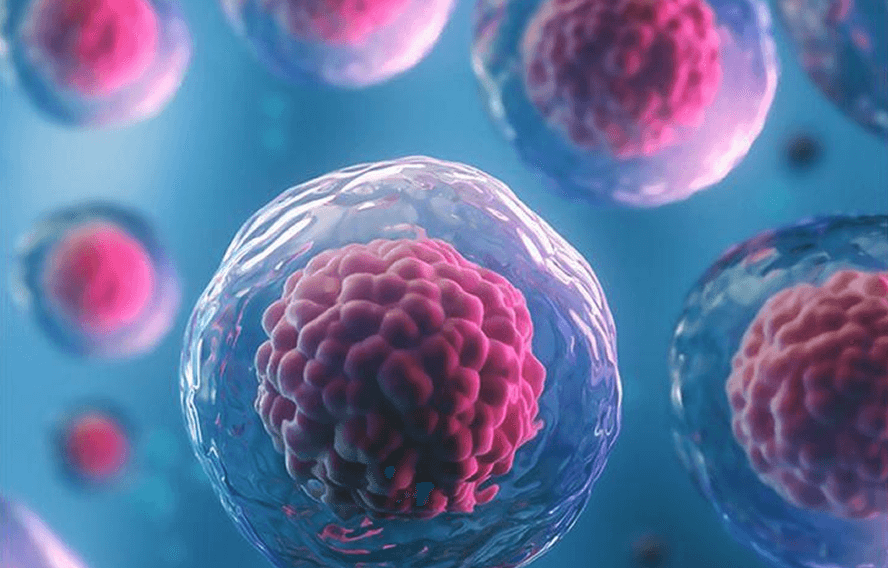
Fasting naturally triggers periods where the body initiates autophagy, a process that cleans and repairs cells. This provides health benefits such as detoxification, improved metabolism, and cellular renewal, complementing the spiritual benefits of Ramadan fasting.

Your First Week of Ramadan
How should I prepare for my first fast?
Before Ramadan begins, set intentions, plan your meals for suhoor and iftar, and gradually adjust sleep and wake times. This helps your body adapt to fasting smoothly.
How do I manage hunger during the first few days?
Start your day with a nutritious suhoor that includes complex carbs, protein, and water. Drink plenty at night and avoid overeating at iftar to prevent discomfort.
What should I eat for suhoor?
Include foods like whole grains, eggs, yogurt, fruits, and nuts. These provide lasting energy and hydration throughout the fasting hours.
How should I break my fast in the first week?
Break your fast with dates and water following the Sunnah, then have a balanced iftar with protein, vegetables, and healthy carbs. Eat slowly to aid digestion.
How do I maintain energy for daily activities?
Plan lighter physical tasks during the day and rest when possible. Balanced meals, hydration, and moderate activity help sustain energy levels.
How do I stay focused on worship during the first week?
Set small goals for daily prayers, Quran reading, and dhikr. Gradually increase devotion and maintain consistency without overexerting yourself.
What if I feel tired or weak while fasting?
Rest as needed, avoid strenuous activity, and make sure your suhoor and iftar are nutritious. If weakness persists, consult a doctor.
How can I avoid bad habits during fasting?
Fasting is a time for self-discipline. Avoid gossip, anger, and negative speech while focusing on patience, kindness, and reflection.
How do I track my fasting effectively?
Use a fasting tracker or mobile app to monitor suhoor, iftar, prayer times, and progress. This helps stay organized and consistent.
How do I balance fasting with work or school in the first week?
Plan your schedule around energy levels, rest when possible, and maintain hydration and nutrition at night. Gradually, your body will adapt to the routine of Ramadan.

During Your Fast
What activities are allowed while fasting?
You can perform daily tasks, work, study, and worship. Avoid actions that invalidate the fast, such as eating, drinking, or marital relations during daylight hours.
How should I manage thirst during the day?
Stay hydrated during suhoor and iftar. Avoid excessive caffeine or salty foods at night, as they can increase thirst during fasting hours.
Can I take medication while fasting?
Oral medications that reach the stomach break the fast. If necessary, consult a doctor to adjust timing or alternatives that comply with fasting rules.
How can I control hunger and cravings?
Focus on nutrient-dense suhoor meals and avoid sugary, heavy foods at iftar. Staying busy and keeping your mind on worship helps reduce hunger awareness.
What should I do if I feel tired or weak?
Rest when possible and avoid strenuous activity. Ensure balanced meals and adequate sleep at night to maintain energy during fasting.
How do I maintain good behavior while fasting?
Fasting requires self-discipline. Avoid anger, gossip, lying, and negative speech, and focus on patience, kindness, and mindfulness.
Can I exercise during fasting hours?
Light to moderate exercise is acceptable, but avoid heavy workouts during the day. Early morning or after iftar are better times for physical activity.
How do I stay spiritually focused during the fast?
Increase prayers, dhikr, Quran reading, and reflection. Use the fasting period to strengthen your connection with Allah.
What are some recommended duas during fasting?
Make dua for forgiveness, guidance, and personal needs. The Prophet Muhammad (peace be upon him) encouraged making dua especially at iftar and during the last part of the day.
What if I accidentally break my fast?
If you unintentionally eat or drink, your fast is still valid. Intentionally breaking the fast requires making it up later and following Islamic guidance for expiation if necessary.

Nighttime Worship & Laylat al-Qadr
What is Nighttime Worship during Ramadan?
Nighttime worship includes prayers, Quran reading, dhikr, and reflection performed after Isha prayer. It is a way to increase devotion and earn greater rewards during Ramadan.
What is Laylat al-Qadr?
Laylat al-Qadr, the Night of Decree, is a special night in the last ten nights of Ramadan. Worship on this night is considered better than a thousand months.
When does Laylat al-Qadr occur?
The exact date is unknown, but it falls on one of the odd-numbered nights in the last ten days of Ramadan, often emphasized on the 21st, 23rd, 25th, 27th, or 29th night.
How should I prepare for nighttime worship?
Set aside time after Isha prayer, make wudu, and focus on sincere intentions. Keep your phone and distractions away to concentrate on worship.
What prayers are recommended at night?
Perform Tahajjud, voluntary night prayers, and recite Quran. Focus on heartfelt supplications and seeking forgiveness.
What duas should I make on Laylat al-Qadr?
Ask for forgiveness, guidance, mercy, and blessings for yourself and others. The Prophet Muhammad (peace be upon him) recommended repeating: “Allahumma innaka ‘afuwwun tuhibbul ‘afwa fa’fu ‘anni” (O Allah, You are Forgiving, and love forgiveness, so forgive me).
How long should I pray during the night?
Pray as much as you are able. Even a few rak’ahs with sincerity hold great reward, especially during Laylat al-Qadr.
Can I combine worship with charity at night?
Yes. Giving charity, helping others, and making sincere intentions during the night adds to the rewards of worship.
How can I stay awake for worship during the last ten nights?
Take short naps during the day, eat a balanced suhoor, and plan your night in advance. Gradually increase worship during odd nights.
Why is nighttime worship important?
It strengthens your spiritual connection, brings forgiveness, and multiplies rewards. Laylat al-Qadr provides an opportunity for immense mercy and blessings.

Common Challenges While Fasting
Why do I feel hungry during the day?
Hunger is normal during fasting. Eating a nutritious suhoor with protein, fiber, and complex carbs helps maintain energy and reduce hunger.
Why do I feel thirsty while fasting?
Thirst occurs because no fluids are consumed during daylight hours. Drinking plenty of water at suhoor and iftar, and avoiding salty foods, helps stay hydrated.
How can I manage fatigue while fasting?
Rest when possible, avoid strenuous activity during the day, and maintain balanced meals at night. Gradually, the body adjusts to the fasting routine.
What if I feel weak or dizzy?
Eat nutrient-rich suhoor and iftar, stay hydrated, and rest. If symptoms persist, consult a doctor and follow Islamic allowances for health-related exemptions.
How do I deal with headaches during fasting?
Headaches may result from dehydration or caffeine withdrawal. Drink plenty of water at night and reduce caffeine gradually before Ramadan.
How can I stay productive while fasting?
Plan tasks according to energy levels, take breaks, and prioritize important activities. Avoid overexertion during peak fasting hours.
What should I do if I miss a fast due to illness or travel?
Islam allows postponing or making up missed fasts later. Follow guidance for expiation if necessary, and prioritize health while observing fasting rules.
How can I manage irritability and mood swings?
Fasting requires patience and self-discipline. Focus on spiritual reflection, dhikr, and avoiding negative speech or arguments.
What if I struggle to focus during the fast?
Engage in light activity, rest when needed, and maintain mental focus through prayer and reflection. Nutrition and hydration at night support concentration.
How do I stay motivated during challenging days?
Remember the spiritual purpose of fasting, set small goals, and track progress with apps or timers. Support from family and community can also boost motivation.

Health Benefits & Cellular Renewal
How does fasting benefit my health?
Fasting helps regulate metabolism, supports weight management, and can improve overall physical and mental well-being.
What is autophagy?
Autophagy is the body’s natural process of cleaning and repairing cells. Fasting activates autophagy, which helps remove damaged cells and supports cellular renewal.
How does Ramadan fasting trigger autophagy?
Long periods without food, like dawn-to-sunset fasting, encourage the body to use stored energy and initiate autophagy, promoting detoxification and cellular repair.
Can fasting improve immunity?
Fasting may support immune function by reducing inflammation and promoting healthy cellular activity, while also encouraging a balanced diet at suhoor and iftar.
Does fasting affect weight?
Yes. Fasting can help manage weight by controlling calorie intake and increasing fat metabolism, especially when combined with balanced meals at night.
How does fasting impact digestion?
Fasting gives the digestive system rest during the day, improving efficiency and allowing the body to process nutrients more effectively at night.
Can fasting improve mental clarity?
Periods of fasting may enhance focus and mental clarity due to regulated blood sugar levels and increased production of certain brain-supporting chemicals.
What role does hydration play in health during fasting?
Proper hydration during suhoor and iftar is essential to maintain energy, support cellular processes, and prevent fatigue and headaches.
How do healthy meals support cellular renewal?
Eating nutrient-dense foods, including fruits, vegetables, proteins, and healthy fats, provides the body with vitamins and minerals necessary for repair and regeneration.
Can fasting contribute to long-term health?
Regular fasting, when done safely, may reduce the risk of chronic diseases, promote longevity, and support overall physical and spiritual well-being.

Ramadan App Features
What is the Fasting Timer?
What is the Fasting Timer?
The Fasting Timer helps track your daily fast from suhoor to iftar, including countdowns for meal times and reminders.
How does the Prayer Tracker work?
It records your daily prayers, sends reminders for each Salah, and helps you stay consistent throughout Ramadan.
What Duas are available in the app?
The app includes morning, evening, before-sleep, and special Ramadan supplications to support spiritual practice.
Can I access Hadith in the app?
Yes, the app provides authentic Hadith that guide daily life, fasting etiquette, and worship practices.
How does the Qibla feature help me?
The Qibla compass shows the correct direction for prayer no matter where you are in the world.
What Quran features are included?
Read the Quran with translations, search functionality, and easy navigation for daily recitation and study.
Does the app provide Ramadan information?
Yes, it includes fasting rules, tips, guidance for Laylat al-Qadr, and health advice for a meaningful Ramadan.
Can I customize reminders and notifications?
You can set personalized reminders for suhoor, iftar, prayers, and special Ramadan events.
Are there interactive tools in the app?
The app offers fasting and prayer trackers, autophagy insights, and progress monitoring to stay organized and motivated.
Is the app suitable for beginners?
Yes, it is designed for both beginners and experienced users, guiding you step by step through fasting, worship, and daily routines during Ramadan.

Manage Subscription
How do I subscribe to the premium features?
You can subscribe directly within the app through your app store account to access premium features and remove ads.
What features are included in the premium subscription?
Premium access includes ad-free experience, unlimited fasting and prayer tracking, full access to Duas, Hadith, Quran features, and personalized reminders.
How do I update my payment information?
Payment details can be updated through your app store account settings where the subscription was purchased.
Can I cancel my subscription at any time?
Yes, subscriptions can be canceled anytime via your app store account, and you will retain access until the end of the current billing period.
Will I lose my data if I cancel the subscription?
No, your fasting and prayer tracking data remain saved in the app even if you cancel the subscription.
How do I change my subscription plan?
You can upgrade or downgrade your plan through the app store subscription management options.
Are subscriptions auto-renewed?
Yes, subscriptions automatically renew unless you turn off auto-renewal in your app store account.
How do I get a refund for my subscription?
Refund requests must be submitted through the app store where the purchase was made, following their refund policy.
Can I share my subscription with family members?
Subscription sharing depends on your app store’s family sharing policy. Check your store settings for eligibility.
How do I contact support for subscription issues?
You can reach app support through the in-app help section or contact email provided in the app for assistance with subscription problems.
© Ramadan . . All rights reserved. Made with ❤️ for the Ummah.