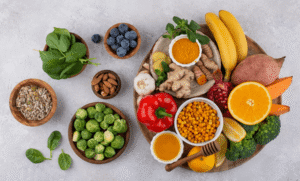
Nutrients That Support Energy and Focus
Certain nutrients help your body stay energized and alert while fasting. Complex carbohydrates, lean protein, healthy fats, and vitamins from fruits and vegetables provide sustained energy. Iron, magnesium, and B
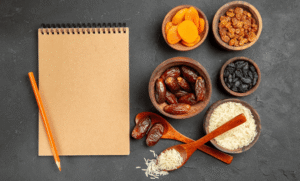
Simple Meal Planning for Ramadan
Planning your meals ahead helps you eat balanced and stay energized during fasting. Decide on suhoor, iftar, and snacks in advance to include protein, slow-digesting carbs, fruits, and vegetables. Simple
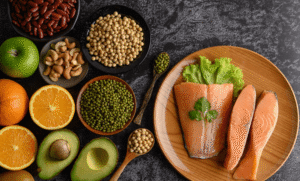
Foods That Support Digestion
Eating foods that support digestion helps you feel comfortable and energized during fasting. Fiber-rich vegetables, fruits, whole grains, and fermented foods like yogurt or kefir keep your digestive system healthy.
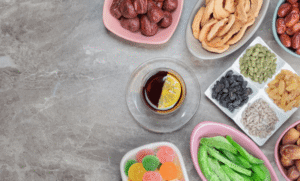
Choosing Better Snacks After Iftar
Choosing healthy snacks after iftar supports digestion and keeps your energy stable for nighttime prayers. Opt for light, nutrient-dense options like fruits, nuts, yogurt, or small servings of whole grains.

Managing Sugar Intake
Excess sugar can cause quick energy spikes followed by fatigue during fasting. Focus on natural sources like fruits and avoid sugary drinks, desserts, or processed snacks. Maintaining moderate sugar intake
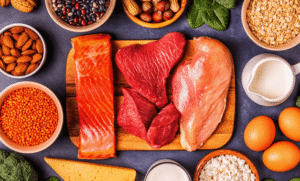
Healthy Protein Sources for Ramadan
Protein is essential for energy, muscle maintenance, and keeping you full during fasting. Include sources like eggs, yogurt, cheese, chicken, fish, legumes, and nuts in your suhoor and iftar. Protein
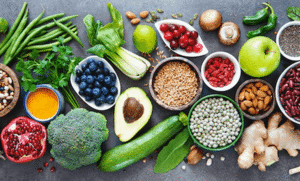
Slow-Digesting Carbs for Steady Energy
Including slow-digesting carbohydrates in your suhoor and iftar provides long-lasting energy throughout the day. Foods like oats, whole grains, brown rice, and quinoa release energy gradually, helping you stay full

Avoiding Overeating at Iftar
Overeating at iftar can cause discomfort, bloating, and fatigue. Break your fast slowly with water and a few dates, then wait a few minutes before starting your main meal. Eating
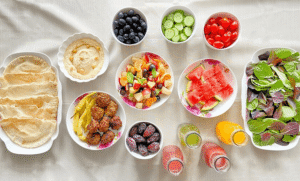
Light and Healthy Iftar Ideas
Breaking your fast with light and healthy foods helps your body adjust after a full day without food. Start with dates and water, followed by a balanced plate of vegetables,
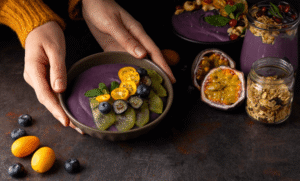
Hydrating Foods for Nighttime
Eating hydrating foods after iftar helps your body recover from fasting and stay balanced. Fruits and vegetables with high water content, like watermelon, cucumber, oranges, and tomatoes, support hydration and
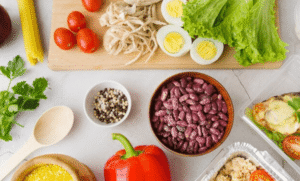
Foods That Keep You Full Longer
Eating foods that keep you full during fasting helps manage hunger and maintain energy. High-fiber foods like oats, whole grains, and vegetables digest slowly, providing lasting satisfaction. Adding protein like
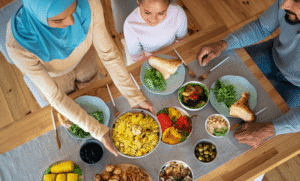
Choosing Balanced Suhoor Meals
Choosing a balanced suhoor meal sets the foundation for a steady fasting day. Include slow-digesting carbohydrates like oats or whole grains, protein such as eggs or yogurt, and fresh fruits